In a world where traditional lectures can feel like watching paint dry, project-based learning (PBL) swoops in like a superhero ready to save the day. Imagine students diving headfirst into real-world problems, collaborating like pros, and coming up with innovative solutions—all while having a blast. PBL transforms the classroom into a vibrant hub of creativity and critical thinking, where learning is as exciting as a rollercoaster ride.
Understanding Project Based Learning
Project-based learning (PBL) engages students in active exploration of real-world issues. This approach cultivates problem-solving skills, creativity, and collaboration.
Definition and Key Concepts
Project-based learning emphasizes learning through active, hands-on projects. Students immerse themselves in tasks that reflect real-world challenges, working together to find solutions. Key concepts include inquiry, collaboration, and reflection. Inquiry drives students to ask questions and investigate topics deeply. Collaboration involves teamwork, allowing students to share perspectives and skills. Reflection encourages them to think critically about their experiences and learning processes.
Benefits of Project Based Learning
PBL offers numerous advantages for students. Enhanced engagement occurs as learners connect to relevant topics and challenges. This method promotes critical thinking, enabling deeper understanding of content. Teamwork skills improve as students collaborate, preparing them for future work environments. Additionally, PBL fosters a sense of ownership of learning, motivating learners to take responsibility for their education. By integrating personal interests with academic goals, project-based learning creates a dynamic educational experience.
Implementing Project Based Learning
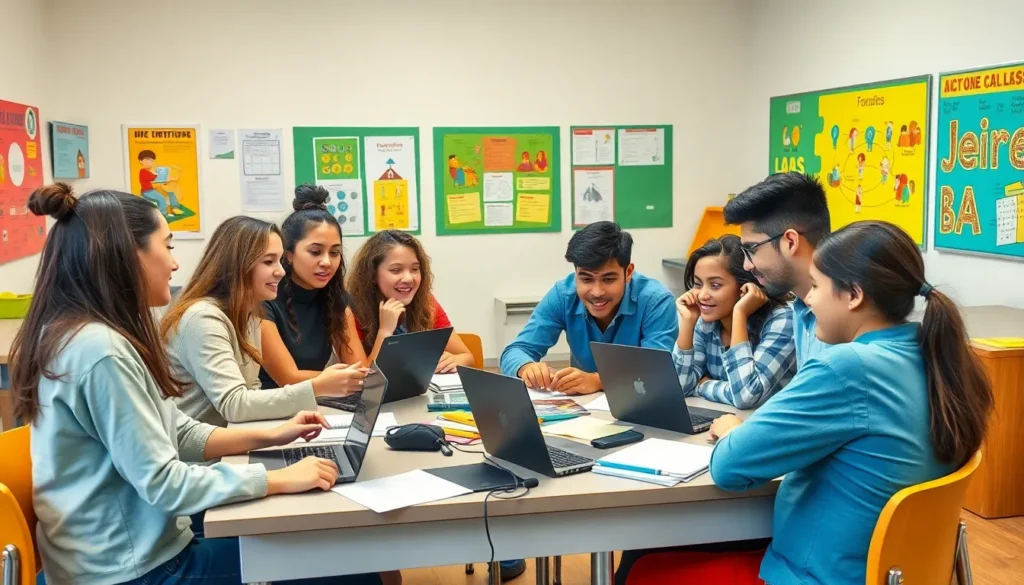
Implementing project-based learning (PBL) involves strategic planning within the curriculum. Educators can design projects that align with learning objectives, ensuring that real-world issues drive student engagement.
Steps to Integrate into Curriculum
Identify key subjects that benefit from PBL. Select themes that resonate with students’ interests and relate to course content. Develop a timeline that outlines phases for project completion, including initial research, collaboration, and final presentations. Encourage students to explore different perspectives related to the topics. Assess understanding through formative evaluations and feedback sessions, allowing students to refine their projects effectively.
Tools and Resources for Educators
Utilize various PBL resources to enhance the learning experience. Project management software can streamline collaboration among students. Online platforms, such as Google Classroom, facilitate communication and project sharing. Incorporate multimedia resources, including podcasts and videos, to provide diverse viewpoints on project topics. Workshops and webinars available from educational organizations can offer valuable training for educators looking to implement PBL effectively.
Challenges of Project Based Learning
Project-based learning presents unique challenges in educational settings. These challenges can hinder the effective implementation of PBL.
Common Obstacles
Time constraints pose a significant obstacle for educators. Limited class hours make it hard to fully engage with complex projects. Resource availability affects project quality, as not all classrooms have access to materials or technology. Student participation varies; some may lack motivation or interest, leading to uneven contributions. Assessment difficulties arise when trying to measure individual learning outcomes in collaborative settings. Finally, traditional classroom management techniques may not easily fit the project-based environment.
Strategies to Overcome Challenges
Fostering a supportive environment encourages student engagement. Educators can break projects into manageable stages, allowing clear focus and pacing. Using technology effectively enhances collaboration and accessibility. Providing continuous feedback helps students stay motivated and aligned with project goals. Establishing clear roles within groups can improve accountability and participation. Incorporating flexible timelines allows for adjustments based on student progress. Ultimately, integrating these strategies strengthens the overall effectiveness of project-based learning.
Case Studies in Project Based Learning
Project-based learning (PBL) showcases successful applications across various educational settings. These real-life examples illustrate the effectiveness of PBL in engaging students and enhancing their skills.
Successful Implementations
PBL thrives in diverse environments, demonstrating its adaptability. A notable case occurred at the High Tech High school in California. Students collaborated on a project addressing local environmental issues, combining scientific research with community outreach. Another successful implementation features a middle school in New York, where educators incorporated PBL into the STEM curriculum, allowing students to design functional prosthetics. Such initiatives cultivate student engagement and improve practical problem-solving abilities.
Lessons Learned from Real-World Examples
Various real-world PBL applications reveal valuable insights. Iterative feedback loops consistently emerge as crucial, enabling students to refine their projects. One notable example involved a high school in Texas working on renewable energy solutions. Students faced challenges in coordination but learned to communicate effectively and consider different perspectives. Another case highlighted the importance of aligning projects with curricular goals. This approach ensures relevance and fosters a deeper understanding of the content. These lessons underscore the significance of adaptability and communication in successful project-based learning environments.
Project-based learning offers a transformative approach that not only engages students but also equips them with essential skills for the future. By immersing learners in real-world challenges, PBL fosters creativity and critical thinking while promoting collaboration and inquiry.
The successful implementation of PBL requires thoughtful planning and a supportive environment. Educators can enhance the learning experience by integrating technology, providing continuous feedback, and ensuring projects align with students’ interests.
As seen in various case studies, PBL’s adaptability across different contexts highlights its effectiveness in cultivating a dynamic educational atmosphere. Embracing this innovative approach can lead to more meaningful learning experiences, empowering students to take ownership of their education and prepare for the complexities of the world ahead.