
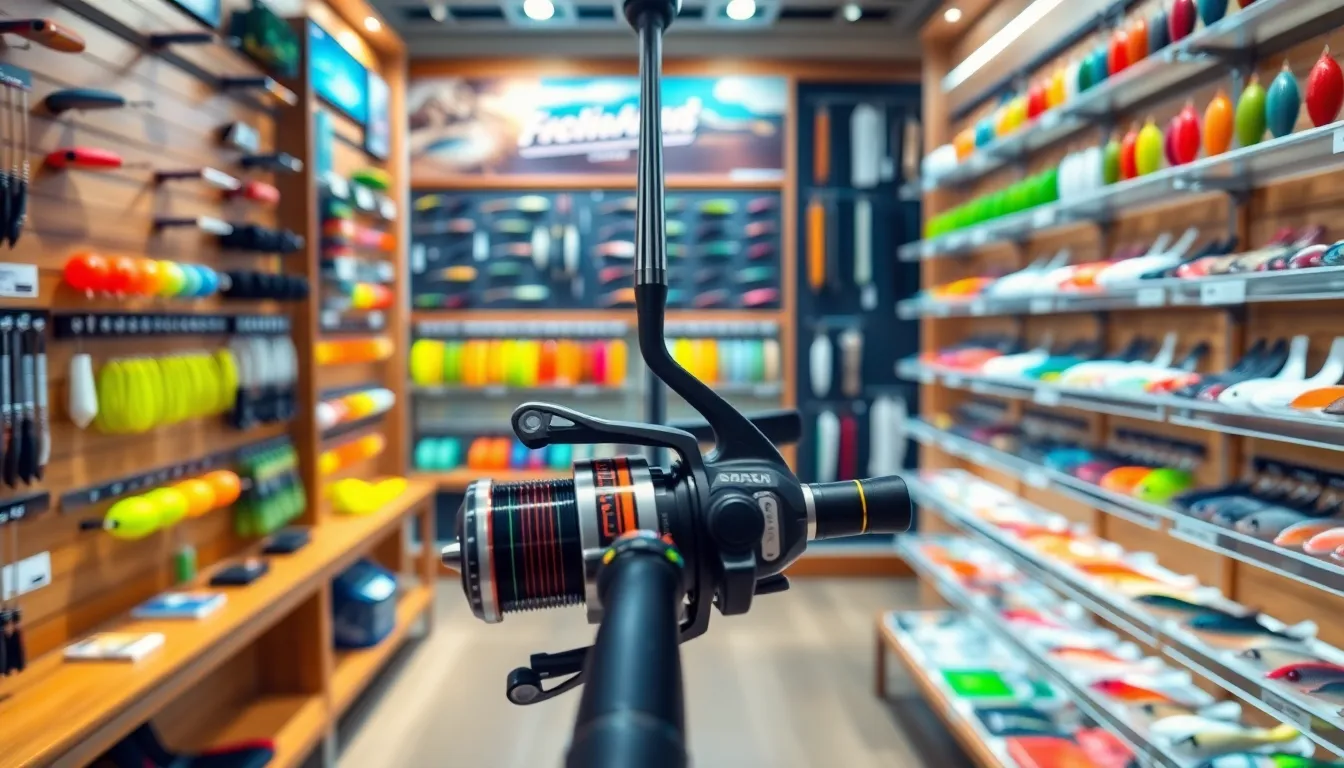
When it comes to fishing gear, enthusiasts often seek the latest innovations to boost their luck on the water. Enter sodium fishing gear, an exciting advancement that has anglers buzzing. Imagine pulling in a catch that not only boosts your bragging rights but also keeps your gear lightweight and effective. This isn’t just another fad: it’s a game changer. In this text, we’ll dive deep into everything you need to know about sodium fishing gear, ensuring you’re well-equipped for your next fishing adventure, while possibly chuckling at the quirky side of fishing culture.
What Is Sodium Fishing Gear?
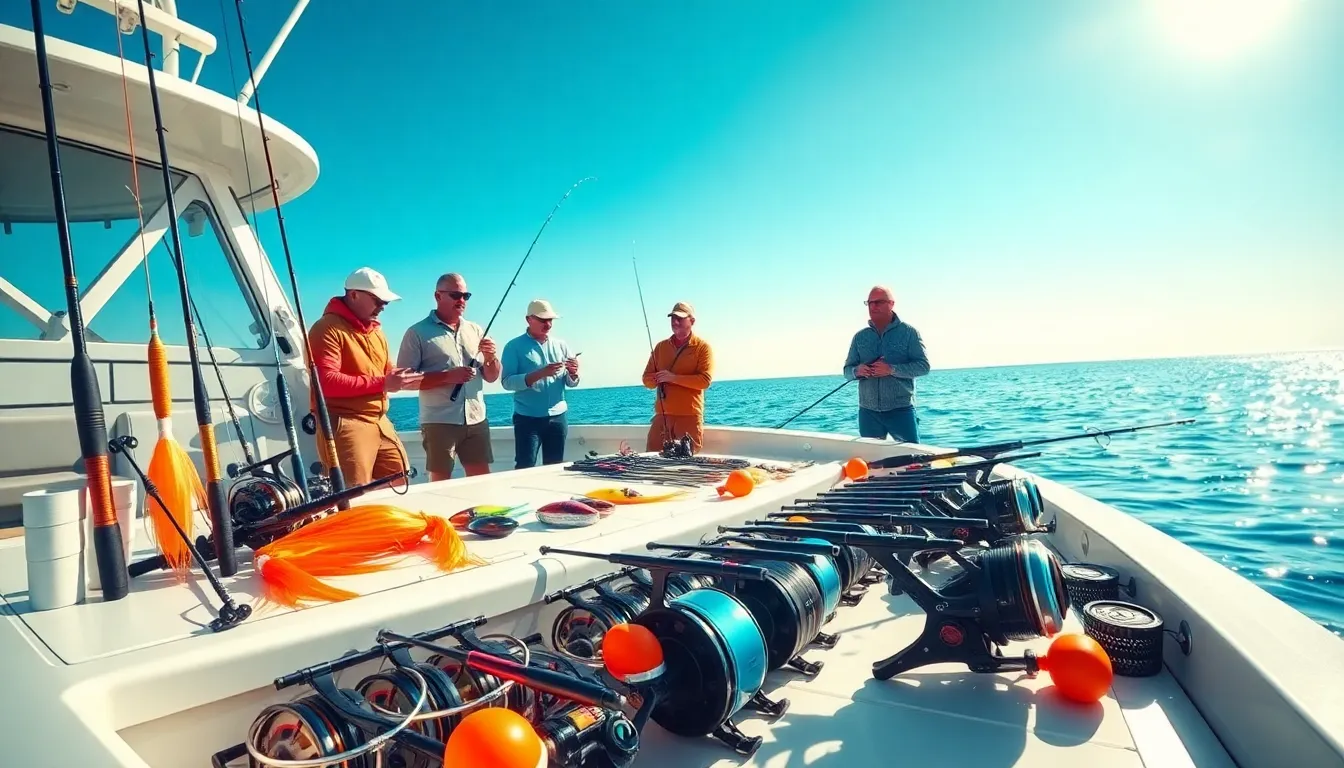
Sodium fishing gear refers to specialized equipment designed using sodium-based materials, typically aimed at enhancing performance and reducing weight. But what makes sodium so special? It’s all about buoyancy and sensitivity. Sodium-based materials are lighter than their traditional counterparts, allowing for better handling and less fatigue during those long fishing trips. This gear includes everything from rods and reels to floats and lures, all engineered to make that “just right” catch even more achievable.
What’s especially fascinating is the chemistry behind it. Sodium is known for its effectiveness in various applications, and in the world of fishing gear, it provides exceptional resilience and flexibility, allowing anglers to feel even the slightest nibbles on their lines. With this innovative approach to fishing gear, anglers are equipped not just with tools but with high-tech devices that enhance their experience on the water.
Benefits of Using Sodium Fishing Gear
Why should one consider sodium fishing gear? The benefits are numerous:
- Weight Reduction: Sodium gear is significantly lighter than traditional materials. Anglers can easily maneuver their equipment, making casting and reeling a breeze.
- Enhanced Sensitivity: The lightweight nature of sodium increases sensitivity, meaning anglers can detect even the lightest bites. This is crucial during particularly tricky fishing conditions.
- Durability: Sodium-based materials offer incredible resistance to wear and tear. They can withstand harsh conditions, from saltwater corrosion to freshwater muck, ensuring longevity in your gear.
- Temperature Resistance: Sodium gear performs exceptionally well under varying temperatures, which can be vital during those early morning or late evening fishing sessions.
- Eco-Friendly Options: Many sodium products are designed with sustainability in mind, making them a responsible choice for environmentally conscious anglers.
In essence, switching to sodium gear could lead to a more enjoyable and successful fishing experience.
Types of Sodium Fishing Gear
Sodium fishing gear isn’t just a one-size-fits-all scenario. There’s a diverse range of options available to meet various fishing needs. Here are some popular types:
- Sodium Rods: These rods are designed with lightweight materials for the ultimate in flexibility and performance. Anglers can easily flip, cast, and retrieve without tiring.
- Sodium Reels: Crafted for balance and precision, sodium reels minimize friction, allowing for smooth casting and retrieval.
- Lures and Baits: Sodium-infused lures are designed to mimic natural prey, attracting fish while being highly durable.
- Floats and Bobbers: These nifty gadgets help detect bites while keeping bait presented attractively. Sodium floats provide increased buoyancy without the cumbersome weight.
- Landing Nets: Lightweight and sturdy, sodium landing nets allow for quick and efficient fish handling.
The versatility in sodium fishing gear caters to both freshwater and saltwater anglers, ensuring that everyone, from the amateur weekend warrior to the seasoned pro, can benefit.
How to Choose the Right Sodium Fishing Gear
Choosing the right fishing gear can be daunting, especially with so many options available. Here are some tips to guide anglers in selecting the best sodium fishing gear:
- Understand Fishing Style: Different fishing styles require different gear. Consider whether you’re a fly fisherman, a bass angler, or someone who prefers deep-sea fishing.
- Consider Rod Length and Action: Longer rods offer better casting distance, while shorter ones provide more control. The action, the flex of the rod, can affect how well you feel bites and detect nibbles.
- Budget Wisely: Sodium gear can range in price, so decide on a budget beforehand. Remember, quality often equates to a better experience.
- Read Product Reviews: Look for products that have garnered positive feedback from fellow anglers. Real experiences can offer insights that marketing materials might miss.
- Ask for Recommendations: Don’t hesitate to seek advice from experienced anglers. Many enjoy sharing their insights and can point you in the right direction.
By keeping these tips in mind, choosing the right sodium gear becomes less overwhelming and more focused on ensuring a successful fishing trip.
Care and Maintenance of Sodium Fishing Gear
Just like any valuable equipment, sodium fishing gear needs proper care to ensure it lasts and performs well. Here are some easy maintenance tips:
- Rinse After Use: After a day on the water, rinse your gear with fresh water to remove salt, dirt, and debris. This simple step can prevent corrosion and build-up.
- Inspect Regularly: Keep an eye out for any signs of wear or damage. It’s easier to replace a worn-out component than to deal with a broken rod mid-fishing.
- Store Properly: Invest in a rod case or tube for storing your sodium rods. Protecting your gear from extreme temperatures and impacts will significantly enhance its lifespan.
- Lubricate Moving Parts: Reels are particularly prone to wear and tear if not maintained. Ensure to lubricate them periodically to keep them functioning smoothly.
- Handle with Care: While sodium gear is built to be durable, it’s still essential to handle it gently. Avoid unnecessary rough treatment that could lead to premature damage.
A little maintenance goes a long way in keeping your sodium fishing gear effective and reliable.
Sodium Fishing Gear in Professional vs. Recreational Fishing
The use of sodium fishing gear varies significantly between professional and recreational fishing. Professionals often rely on high-performance sodium gear due to its superior sensitivity and lightweight properties. Given their need for precision in competitive environments, these anglers appreciate the enhanced control and responsiveness of sodium rods and reels.
On the other hand, recreational anglers also benefit from sodium gear, particularly those who fish for leisure. The lightweight nature reduces fatigue, making it more enjoyable to fish for hours. Many recreational fishermen appreciate the durability and ease of use that sodium-based gear brings, as it allows them to focus more on relaxation and fun instead of gear management.
Eventually, the distinction highlights that while professionals seek every advantage, recreational anglers find joy and convenience, making sodium fishing gear suitable across all levels of expertise.
Future Trends in Sodium Fishing Gear
As technology continues to evolve, the fishing industry is witnessing exciting advancements in sodium gear. Future trends suggest innovative materials and designs that could further enhance fishing experiences. Here are some anticipated developments:
- Smart Gear Technology: Imagine rods equipped with sensors that detect fish activity, providing real-time feedback to anglers. This would revolutionize fishing strategy, making it more effective and exciting.
- Sustainable Materials: There’s a growing emphasis on using eco-friendly materials in fishing gear production. Expect more options made from reclaimed or biodegradable substances.
- Customization: Advances in manufacturing techniques could lead to customizable sodium fishing gear, catering specifically to the preferences of individual anglers.
- Improved Sensitivity and Weight: Research may uncover new sodium alloys or composites that offer even better sensitivity while being lighter, further pushing the boundaries of what’s possible in fishing gear.
As these trends unfold, anglers will have even more tools at their disposal, enhancing their fishing experiences for years to come.


